Have you ever wondered what it feels like to stand where the infant Jesus found refuge, or to gaze upon the mountain where Moses received the Ten Commandments? Egypt, often celebrated for its pharaonic grandeur, holds a profound spiritual secret—it’s a cornerstone of biblical history, a land where prophets wandered and miracles unfolded. In this comprehensive guide to your Egypt holy land tour, you’ll uncover the sacred threads weaving through the Nile’s banks, from the Holy Family’s flight to early Christian sanctuaries, all while envisioning how a tailored pilgrimage can deepen your faith and ignite your sense of wonder.
Egypt’s Role in Biblical Narratives: A Refuge for the Divine
Egypt emerges in the Bible not as a mere backdrop, but as a pivotal stage for salvation and revelation. Think of Joseph, sold into slavery yet rising to power, foreshadowing the nation’s role as a haven. Then comes Moses, born amid the reeds of the Nile, leading the Israelites through plagues and parting waters—a story etched into the very sands of Sinai.
This ancient land’s spiritual significance extends to the New Testament, where it shelters the Holy Family from Herod’s wrath. As Matthew 2:13 recounts, an angel urged Joseph to flee to Egypt, fulfilling prophecies and embedding the country in Christian lore. Today, an Egypt holy land tour invites you to connect these dots, blending archaeological marvels with moments of quiet reflection that resonate across millennia.
What draws modern pilgrims here? It’s the tangible link to faith’s origins, where desert monasteries echo with ancient chants and Nile-side churches preserve miraculous imprints. You’ll find yourself pondering how this crossroads of civilizations shaped monotheism, turning a journey into a personal epiphany.
Charting the Holy Family’s Path: Miracles Along the Nile
Imagine fleeing across borders with a newborn, guided only by dreams and divine intervention. The Holy Family’s journey into Egypt, lasting over three years, spans from Sinai’s rugged entry to Upper Egypt’s fertile valleys, covering roughly 3,000 kilometers. This route, now formalized as the Holy Family Trail by Egypt’s Ministry of Tourism, features 25 sanctified stops, each marked by wonders that affirmed their sacred presence.
Starting in the northeast, at ancient Pelusium (Farama), the family crossed into safety, evading Roman patrols. As they moved southward, sites like Tel Basta witnessed a spring bursting forth at Jesus’ touch, quenching their thirst and symbolizing renewal. In Mostorod, Mary bathed the child in a well that still draws pilgrims seeking blessings.
The path hugs the Nile, with pivotal moments in Cairo’s shadows—Matariyah’s balsam tree bloomed from washwater, its essence used in holy oils. Further south, in Minya’s Gabal al-Kaf, a palm bowed in reverence, leaving an imprint that inspired monasteries. The longest sojourn was at Al-Muharraq in Assiut, where an angel announced Herod’s death, signaling their return.
These stops aren’t just historical footnotes; they’re living testaments to faith’s endurance. An Egypt holy land tour along this trail reveals how local traditions, like annual feasts on June 1st, keep the story alive, inviting you to partake in processions and prayers that bridge ancient exile to contemporary devotion.
Moses’ Footsteps: From Nile Cradles to Sinai Summits
No Egypt holy land tour is complete without delving into Moses’ epic saga, a tale of liberation that defines Judeo-Christian heritage. Born in the Nile Delta’s Goshen region—once home to Hebrew slaves—Moses’ infancy unfolded amid bulrushes, his basket a symbol of divine providence as per Exodus 2.
The plagues ravaged pharaonic Egypt, from the Nile turning to blood near modern Cairo to locust swarms in the Delta. But the climax? The Red Sea crossing, debated sites like the Gulf of Suez or Bitter Lakes, where waters parted in miraculous escape. You’ll stand at these shores, feeling the wind that once heralded freedom.
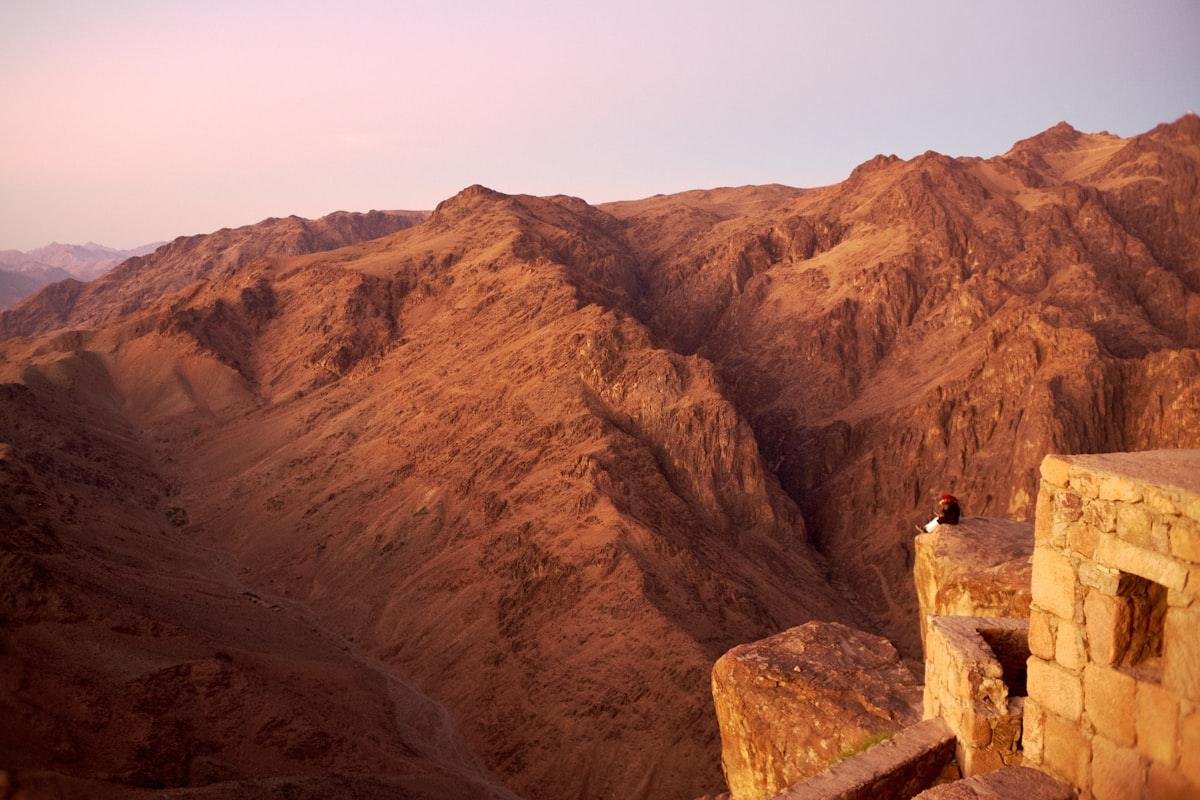
Climaxing at Mount Sinai in the peninsula’s granite peaks, Moses received the Tablets of the Law amid thunder and fire (Exodus 19-20). St. Catherine’s Monastery at its base, a UNESCO site, houses ancient manuscripts and the reputed Burning Bush. Trekking these paths on your Egypt holy land tour, you’ll grasp the raw power of covenant, where stone and spirit intertwined in eternal promise.
Sanctuaries of Solitude: Egypt’s Early Christian Monasteries
Beyond individual stories, Egypt birthed monasticism, a movement that spread Christianity worldwide. Wadi El Natrun, a desolate valley west of the Delta, became a cradle for ascetics after the Holy Family’s passage blessed its springs. Here, monasteries like Deir Anba Bishoy and Deir al-Suryan preserve fourth-century frescoes and relics, offering retreats where silence speaks volumes.
In Sinai, St. Catherine’s stands sentinel, its walls enclosing the world’s oldest continuously operating library. Founded in the sixth century, it commemorates Catherine of Alexandria and guards icons from iconoclastic eras. These sites connect to broader Christian history—St. Anthony’s Monastery near the Red Sea pioneered hermit life, influencing figures like St. Benedict.
On an Egypt holy land tour, visiting these havens isn’t mere sightseeing; it’s immersion in contemplative traditions. You’ll join vespers, touch ancient stones, and perhaps find your own call to introspection amid the desert’s vast hush.
Geography and Symbolism: The Sacred Landscape of Faith
Egypt’s terrain isn’t coincidental—it’s symbolic poetry. The Nile, life’s artery, mirrors biblical rivers of sustenance, from Moses’ cradle to the Holy Family’s southward sail. Delta wetlands evoke creation’s fertility, while Sinai’s aridity tests faith, much like the Israelites’ wanderings.
Symbolism abounds: Springs gushing in parched lands represent hope amid despair, echoing Isaiah’s prophecies. Mountains like Sinai or Gabal al-Tayr embody divine encounters, places where heaven touches earth. Even urban Cairo’s Coptic quarter, with its layered ruins, symbolizes faith’s resilience atop pagan foundations.
As you traverse this landscape on your Egypt holy land tour, notice how geography amplifies spirituality—the Nile’s rhythm fostering meditation, deserts demanding surrender. It’s a canvas where history, faith, and nature converge, urging you to see the divine in every horizon.
Traveler Perspectives: Stories from the Spiritual Path
What does it mean to walk these grounds today? Pilgrims often describe transformative moments—like kneeling in Al-Muharraq’s cave, feeling centuries of prayers envelop them. One traveler recounted dawn at Mount Sinai: “As the sun crested, I understood Moses’ awe—the light felt eternal.”
Local guides share tales of miracles persisting, such as healings at sacred wells. Yet, challenges exist: navigating crowds at popular sites or respecting conservative customs. Still, the reward? A deepened faith, enriched by Egypt’s warm hospitality and the thrill of uncovering hidden chapels.
Incorporating a biblical Egypt itinerary into your travels turns vacation into vocation, blending reverence with discovery. Whether solo or in groups, these experiences foster connections—to history, to others, to the sacred self.
Tel Basta (Nile Delta)
Biblical/Historical Connection
Holy Family rested here; a miraculous spring emerged to quench their thirst.
Recommended Visit Duration
1–2 hours
Travel Notes
Accessible by car from Cairo; can be combined with other Delta sites for a full-day trip.
Mostorod (Near Cairo)
Biblical/Historical Connection
Mary bathed Jesus here; the sacred well symbolizes purification.
Recommended Visit Duration
1 hour
Travel Notes
Easy urban access; modest entry fees; photography is restricted inside the church.
Matariyah (Cairo)
Biblical/Historical Connection
A balsam tree is said to have bloomed from the washwater of the Holy Family; its balsam was used in holy oils.
Recommended Visit Duration
30–45 minutes
Travel Notes
Garden setting; wear comfortable walking shoes; nearby ancient obelisk adds pharaonic context.
Old Cairo (Coptic Quarter)
Biblical/Historical Connection
The Holy Family found refuge in a cave here; later became a center of early Christianity and home to the Hanging Church.
Recommended Visit Duration
2–3 hours
Travel Notes
Ideal for walking tours; audio guides available; expect heavy crowds on weekends.
Maadi (South Cairo)
Biblical/Historical Connection
Traditional departure point where the Holy Family traveled south by boat along the Nile.
Recommended Visit Duration
1 hour
Travel Notes
Scenic riverside views; optional boat rides; easily reached via Cairo Metro.
Gabal al-Kaf (Minya)
Biblical/Historical Connection
Palm tree is said to have bowed to Jesus; stone contains an imprint miracle.
Recommended Visit Duration
1–2 hours
Travel Notes
Rural drive; guides recommended for context; moderate hiking required.
Al-Muharraq Monastery (Assiut)
Biblical/Historical Connection
Holy Family stayed here for six months; site of an angelic message to return home.
Recommended Visit Duration
2–4 hours
Travel Notes
Overnight stays possible; monastery guesthouses available; security escorts provided in the region.
Mount Sinai (Sinai Peninsula)
Biblical/Historical Connection
Moses received the Ten Commandments here; traditional site of the Burning Bush.
Recommended Visit Duration
Full day including trek
Travel Notes
Early-morning hikes recommended; permits required; nights are cold—bring warm layers.
Wadi El Natrun Monasteries
Biblical/Historical Connection
Blessed springs; birthplace of Christian monasticism after the Holy Family’s passage.
Recommended Visit Duration
3–4 hours
Travel Notes
Desert drive from Cairo; safer in group tours; vegetarian meals typically served at monasteries.
St. Catherine’s Monastery (Sinai)
Biblical/Historical Connection
Preserves ancient Christian relics; located near the mountain where Moses is said to have received the commandments.
Recommended Visit Duration
2 hours
Travel Notes
UNESCO World Heritage Site; closed on Sundays; library access requires appointments.
Enriching Your Pilgrimage with El Sultan Travel
What if your Egypt holy land tour could blend spiritual depth with authentic, hassle-free exploration? At El Sultan Travel, we craft curated experiences that turn faith journeys into soulful adventures. Our personalized tours along the Nile and beyond let you approach sacred sites like Maadi or Minya with the insight of local experts, away from generic crowds.
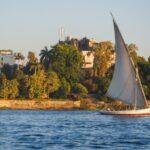
Envision sailing the Nile’s timeless waters, where the Holy Family once journeyed, guided by historians who weave biblical stories with Egypt’s rich heritage. Our hand-curated itineraries, such as full Egypt packages incorporating cultural immersions, resonate with Christian traditions, while custom options extend to Delta monasteries or Sinai peaks.
With fair pricing and seamless logistics, our service honors your quest—think tailored reflections amid desert sunsets or private visits to Coptic churches. For deeper dives, explore our blog for travel tips or contact us for custom tours. It’s travel done right: authentic, meaningful, and full of wow-worthy moments.
Essential Tips for Your Spiritual Sojourn in Egypt
Preparing for an Egypt holy land tour demands thoughtfulness to honor sacred spaces and ensure comfort. Here’s actionable advice to make your journey seamless:
- Packing Essentials: Bring modest clothing—long sleeves, pants, and scarves for women at religious sites. Include sunscreen, a hat, and sturdy walking shoes for desert treks like Sinai. Don’t forget a journal for reflections and a reusable water bottle to stay hydrated.
- Attire and Behavior: Dress conservatively to show respect; remove shoes in mosques or certain churches. Speak softly, avoid flash photography inside sanctuaries, and seek permission before touching relics. Engage locals politely—they often share profound insights.
- Ideal Timing: Visit from October to April for milder weather, avoiding summer heat. Align with festivals like the June 1st Holy Family feast for immersive experiences, but book early to dodge crowds.
- Comfort and Navigation: Opt for air-conditioned transport; apps like Google Maps work well in cities. For remote areas, hire licensed guides. Stay in pilgrim-friendly hotels with Nile views for restful evenings.
- Accessibility Considerations: Many sites have steps or uneven terrain—request wheelchair assistance where available, like at St. Catherine’s. Inform tour operators of needs in advance for customized support.
- Health and Safety: Drink bottled water, apply insect repellent near the Nile, and carry basic meds. Egypt is generally safe for tourists; follow local advisories and use reputable operators for peace of mind.
Ready to Walk in Sacred Footsteps? Book Your Egypt Holy Land Tour Now
You’ve journeyed through Egypt’s biblical tapestry—from the Holy Family’s miraculous trail to Moses’ mountaintop revelations. Now, it’s time to make it your reality. At El Sultan Travel, we’re ready to design your bespoke Egypt holy land tour, merging spiritual sites with the authenticity of Nile cruises and cultural depth.
Whether it’s a custom biblical Egypt itinerary tracing the Nile’s holy bends or a private extension to Sinai’s peaks, our team ensures every detail aligns with your faith and comfort. Don’t let this calling fade—discover our curated experiences today or reach out for a personalized plan. Your transformative adventure awaits; contact us now to turn inspiration into bookings.
Frequently Asked Questions
What does an Egypt holy land tour typically include?
An Egypt holy land tour encompasses key biblical sites like the Holy Family Trail’s churches and monasteries, Moses’ Mount Sinai, and early Christian landmarks. Itineraries often blend guided visits, historical context, and optional Nile cruises for a holistic experience.
Which sacred sites in Egypt are linked to the Holy Family?
Prominent ones include Matariyah’s Mary’s Tree, Old Cairo’s Abu Serga Church, Maadi’s Nile steps, and Al-Muharraq Monastery in Assiut, each tied to miracles and refuge during their flight from Herod.
How is Moses connected to Egyptian history in a holy land tour?
Moses’ story unfolds across Egypt—from his Nile birth in the Delta to the Exodus plagues and Red Sea crossing, culminating at Mount Sinai where he received the Commandments, all explorable on dedicated tours.
What role do Nile cruises play in enhancing a spiritual journey?
Nile cruises offer intimate access to river-side holy sites, with expert guides providing biblical insights amid serene sailing, turning travel into reflective pilgrimage.
Is Egypt safe and accessible for religious tourists?
Yes, with standard precautions, popular sites have security, and operators ensure accessibility. Wheelchair options exist at major spots, though some remote areas require planning.
Before booking an Egypt Holy Land tour, skim the Holy Family trail background on the Flight into Egypt — knowing the story transforms the stops. The classic Egypt Holy Land tour threads Old Cairo’s churches, Wadi El Natrun’s monasteries, and Mount Sinai into one journey, and pairing your Egypt Holy Land tour with a Nile leg lets sacred history and pharaonic history share the same week.